
Fabric, stitch and pigment, made approachable
Hands-on textile and mixed-media guides from a working table — how materials behave, how a technique actually goes, and what to try next in cloth, stitch, pigment and cut wood.
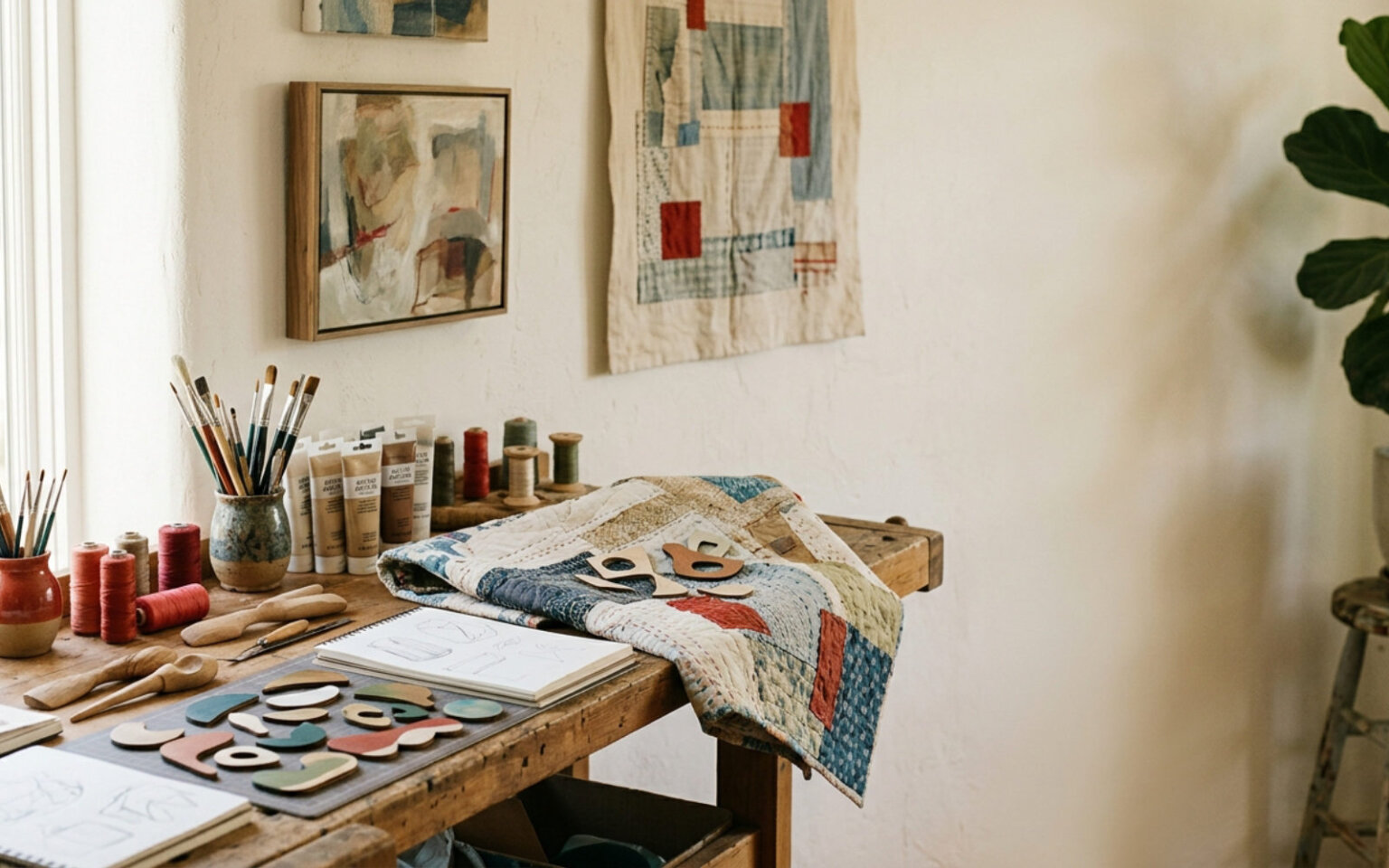
Latest notes
Write-ups on cloth, stitch, pigment and wood — materials first, then the steps that got there.
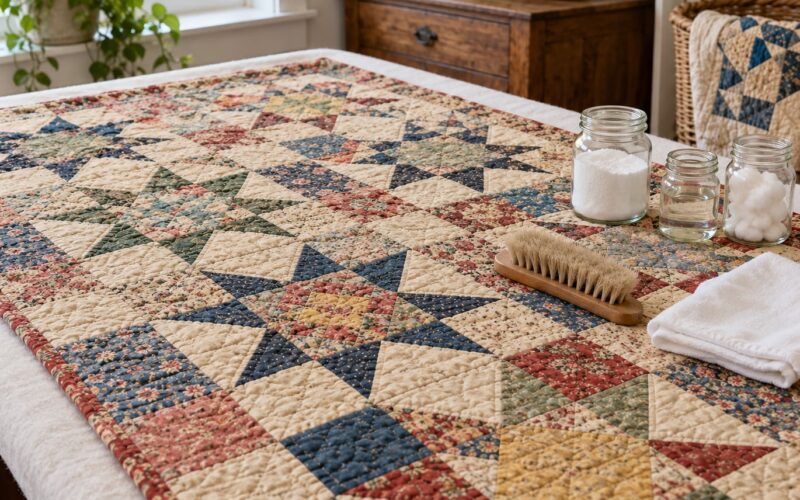
How to Clean a Vintage Quilt Safely: Step-by-Step (2026)
Learn how to clean a vintage quilt safely in : gentle vacuuming, careful spot treatment, and slow drying that protect fibers, colors,…

How to Protect Fabric Art From Fading: 5 Proven Tips (2026)
Learn how to protect fabric art from fading with simple care, storage, lighting and material choices that preserve colour and fibres. Updated…
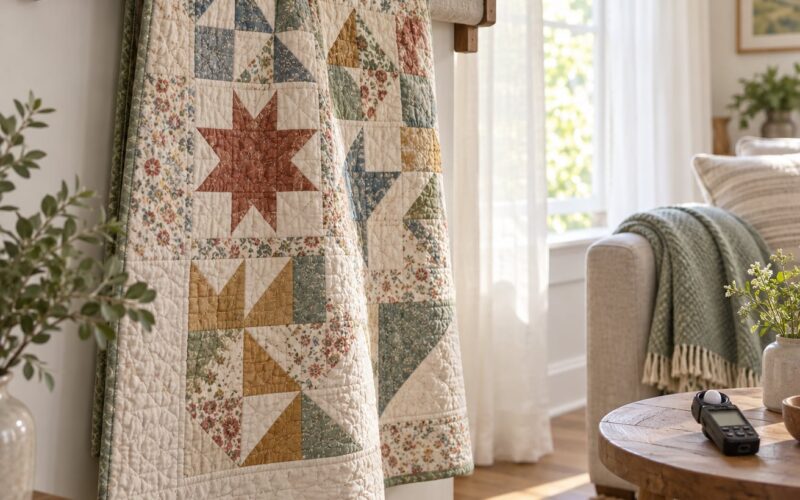
How to Care for a Quilt Hung in Sunlight: Easy Guide (October 2026)
Learn how to care for a quilt hung in sunlight, protect its fibers and colors, slow fading, and set up a display…
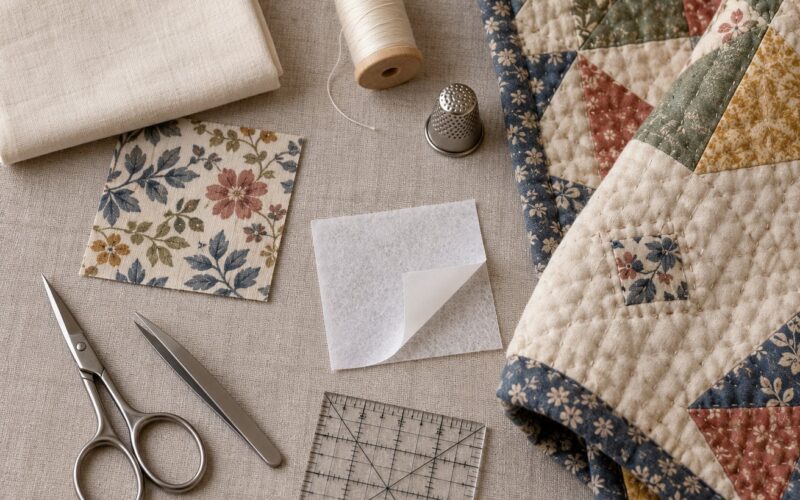
How to Repair a Hole in a Finished Art Quilt: Easy Guide 2026
How to repair a hole in a finished art quilt without ruining the artwork: patch, stitch and backing methods, plus mistakes to…
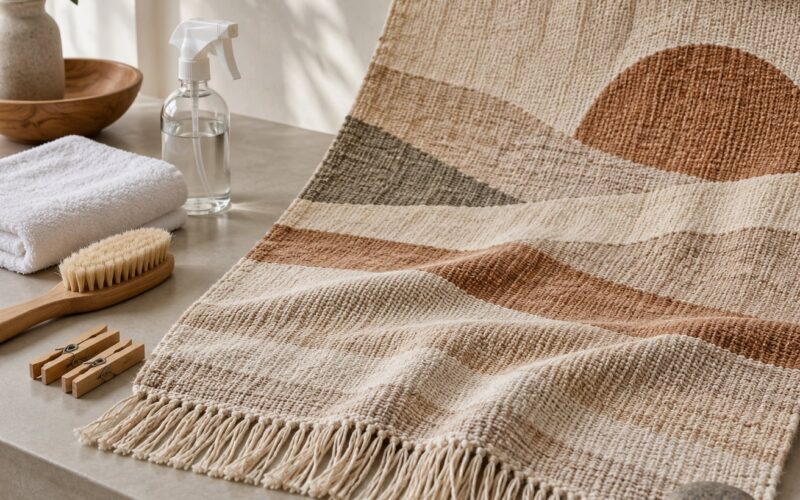
How to Remove Wrinkles From a Wall Hanging Guide 2026
How to remove wrinkles from a wall hanging safely in : gentle steaming, careful reshaping, and flat drying that protect quilts, tapestries…
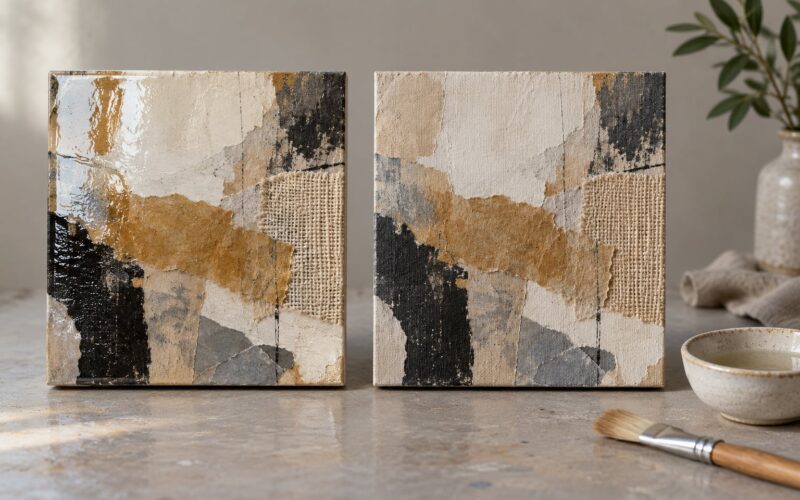
Gloss vs Matte Varnish for Mixed Media: Which Finish Wins? 2026
Gloss vs matte varnish for mixed media in , compared by sheen, color depth, texture, glare and care, so you can pick…
Most of what you will read here starts as a problem on the table: cloth that will not sit flat, a pigment that dries three shades lighter, a wood cutout that wants one more coat.
Those get written up the way you would explain them to someone standing beside you — the materials, the order of work, the part that went wrong — so it can go straight back to your own bench. Nothing here assumes you went to art school.
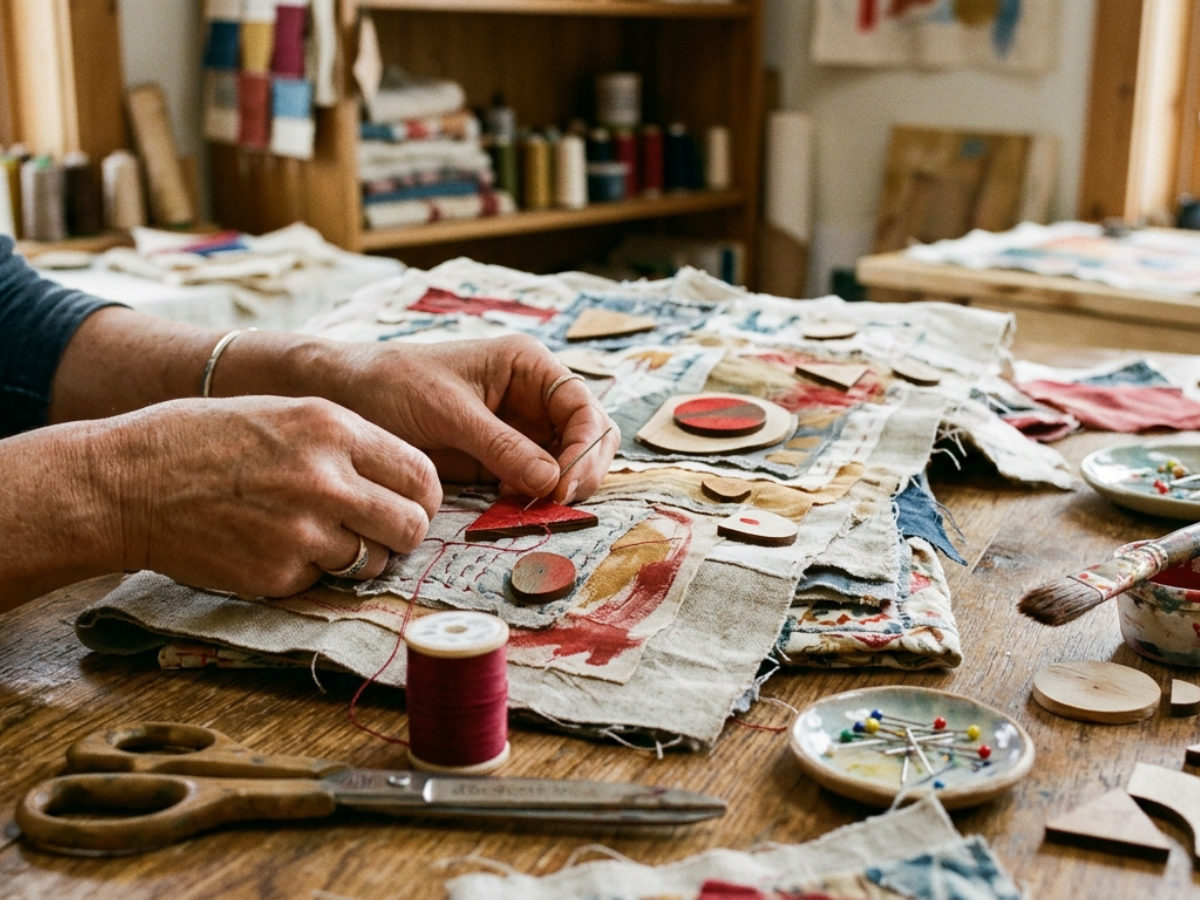
What this notebook is for
Josie L Roebuck is a studio notebook for textile and mixed-media practice — fabric, stitch, pigment and wood — written for makers, students and teachers rather than gallery critics.
It starts with technique and materials, and widens with the work: studio habits, tools and the practical side of keeping a practice going.
More about this site